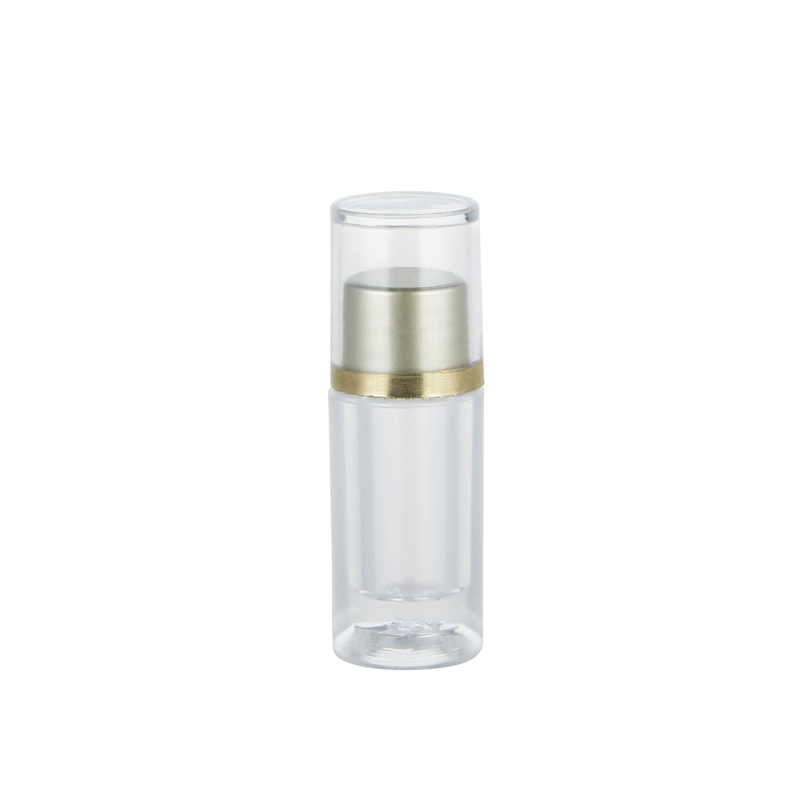
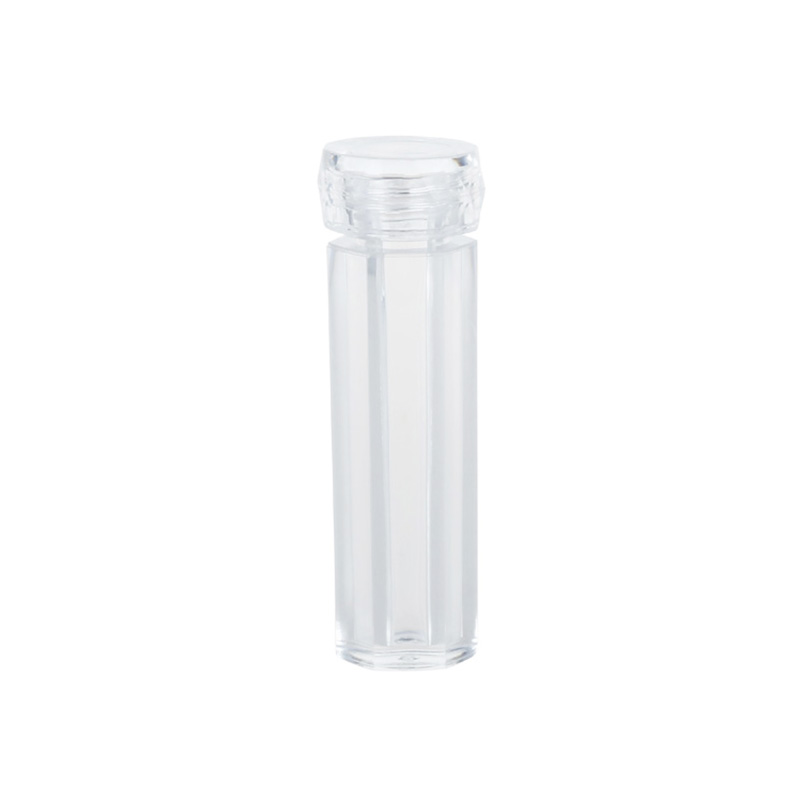
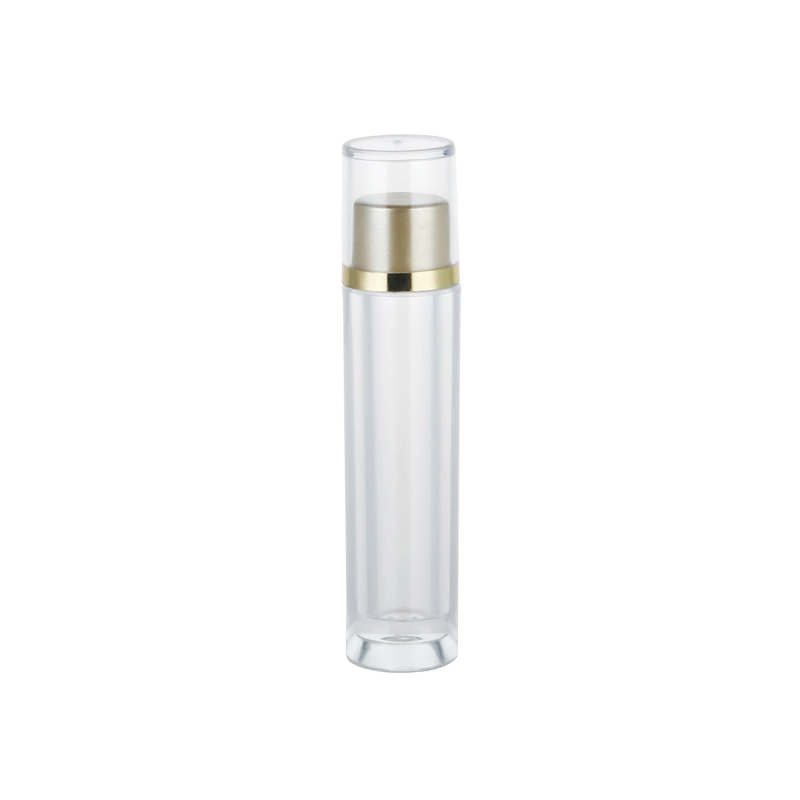
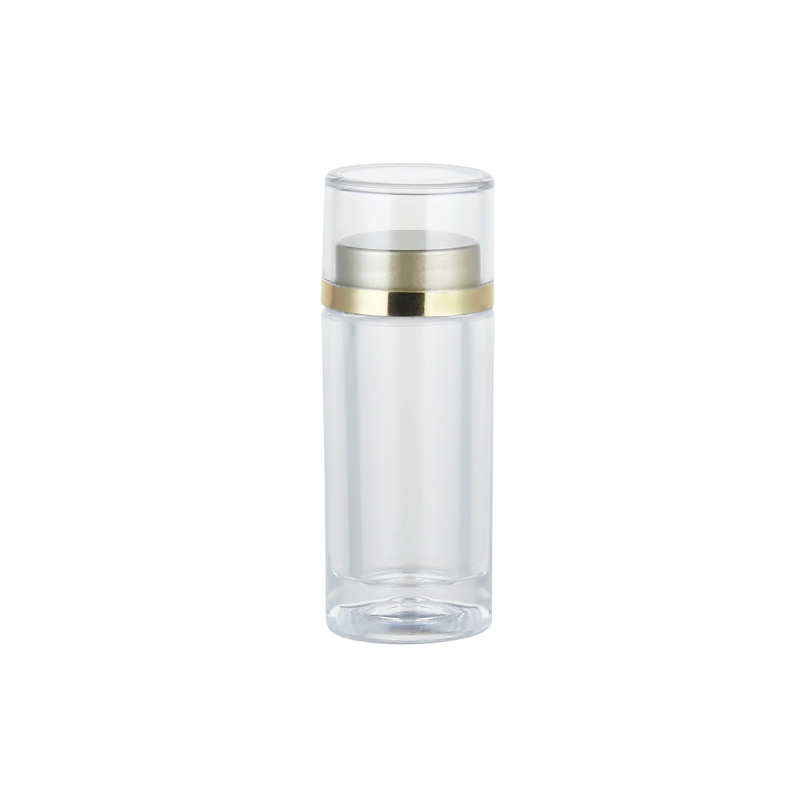
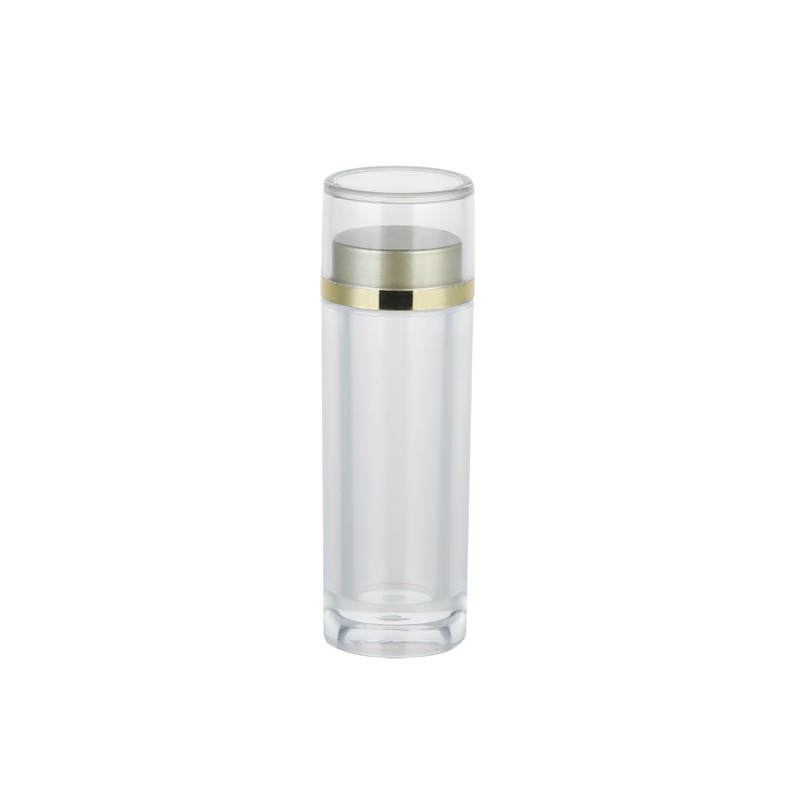
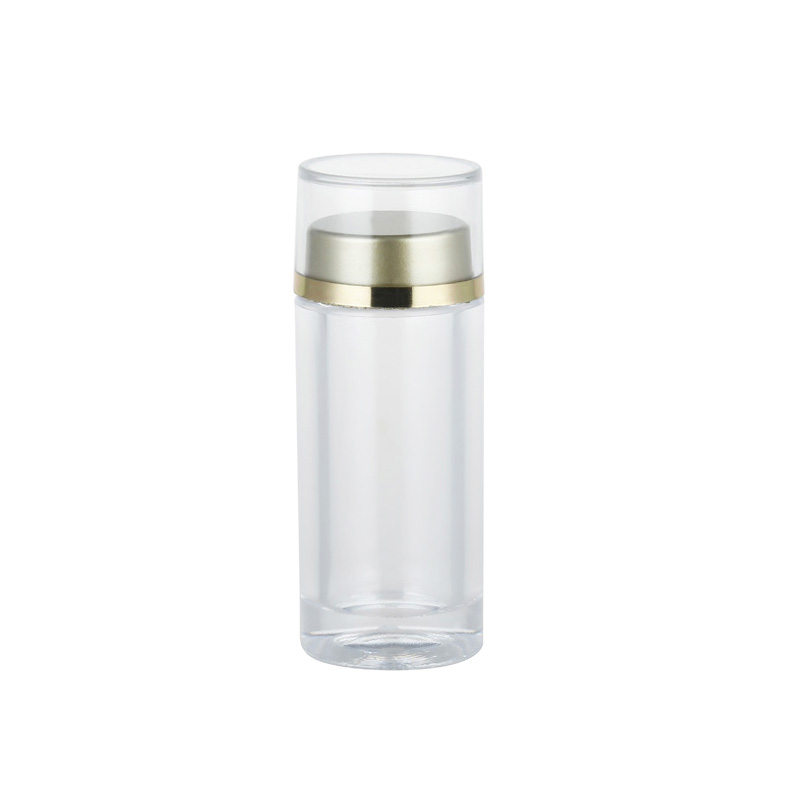
Choosing the right Acrylic PS Plastic Supplement Bottle involves more than selecting an attractive container. For supplement brands, distributors, and contract manufacturers, packaging must protect product quality, support convenient daily use, and meet different market requirements. As demand for vitamins, nutritional powders, and dietary supplements continues to evolve, buyers are paying closer attention to material selection, sealing performance, and customized packaging solutions. Understanding these factors before placing a bulk order can help businesses avoid unnecessary packaging changes and improve supply chain efficiency.
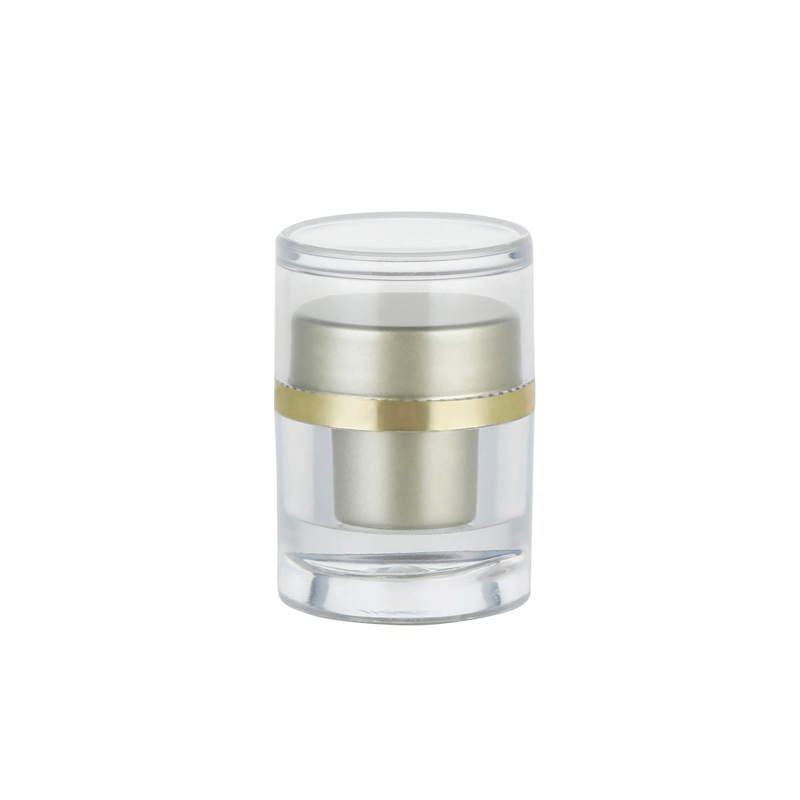
The material of a supplement bottle directly influences its appearance, durability, and suitability for different applications. Brands often evaluate plastic packaging based on weight, transparency, impact resistance, processing characteristics, and overall cost.
Acrylic and PS-based packaging options can offer a distinctive appearance for supplement products, particularly when brands want a clean, polished presentation. However, the exact resin grade and bottle construction should be evaluated according to the intended application. Buyers should confirm material specifications and product-contact suitability rather than assuming that every plastic bottle works with every supplement formula.
Moisture, oxygen, and light can affect the stability of certain nutritional ingredients during storage and transportation. For example, some vitamin formulations, botanical extracts, and powdered supplements require additional attention to environmental exposure.
When evaluating a bottle, manufacturers and purchasing teams should consider the following factors:
These considerations help buyers select packaging based on real product requirements instead of appearance alone.
A well-designed bottle needs a compatible closure to provide a reliable packaging system. Loose caps, inconsistent threads, or unsuitable liners may create problems during filling, transportation, and retail handling.
For supplement packaging projects, buyers can evaluate screw caps, inner liners, induction sealing options, and tamper-evident features according to their filling processes and destination markets. The compatibility of each component should be checked before mass production. Where additional protection is required, brands should also consider whether the complete container and closure combination meets their product and distribution requirements.
Packaging appearance influences how customers perceive a supplement brand. Clear bottles can showcase the product, while customized colors and carefully selected shapes help establish a recognizable brand identity.
However, appearance should not compromise everyday usability. A suitable supplement bottle should be easy to handle, store, open, and close. Its dimensions should also provide sufficient space for product labels, ingredient information, usage instructions, and other required packaging details. For brands selling through e-commerce channels, bottle durability and packaging protection during shipping deserve additional attention.
Environmental considerations are increasingly influencing packaging development across the global supplement industry. Buyers are exploring recyclable materials, lightweight bottle designs, and packaging structures that reduce unnecessary material consumption.
For plastic supplement bottles, sustainability should be assessed through the actual resin composition, local recycling infrastructure, and applicable market requirements. Reducing bottle weight may also help optimize material usage, provided that the revised structure maintains the necessary performance. Manufacturers and buyers should discuss these objectives early in product development to avoid compromising packaging quality.
For importers, wholesalers, and supplement brands, confirming technical and commercial details before production can make the purchasing process more efficient. We recommend discussing the following specifications with your packaging supplier:
Clear specifications allow manufacturers to assess tooling, production feasibility, and customization requirements before confirming an order.
Choosing a packaging manufacturer is not simply about comparing unit prices. Consistent material specifications, dimensional accuracy, production quality control, and responsive communication are also important for long-term cooperation. A capable supplier should be able to explain available material options, review bottle and cap compatibility, and help buyers identify potential issues during sample evaluation.
At the development stage, requesting samples and confirming the final packaging configuration can reduce misunderstandings before bulk production. For brands planning to expand their supplement product lines, establishing consistent bottle specifications can also simplify future purchasing and inventory management. Whether you are sourcing a standard container or developing a customized Acrylic PS Plastic Supplement Bottle, working with an experienced manufacturer helps align packaging design, product requirements, and bulk supply expectations.


 English
 Español
 русский
 عربى